1. Structured Dobby Fabrics: Texture Takes Over
Dobby orders are up sixty percent compared to last year. That's not a small shift. It's a fundamental change in what brands think will sell.
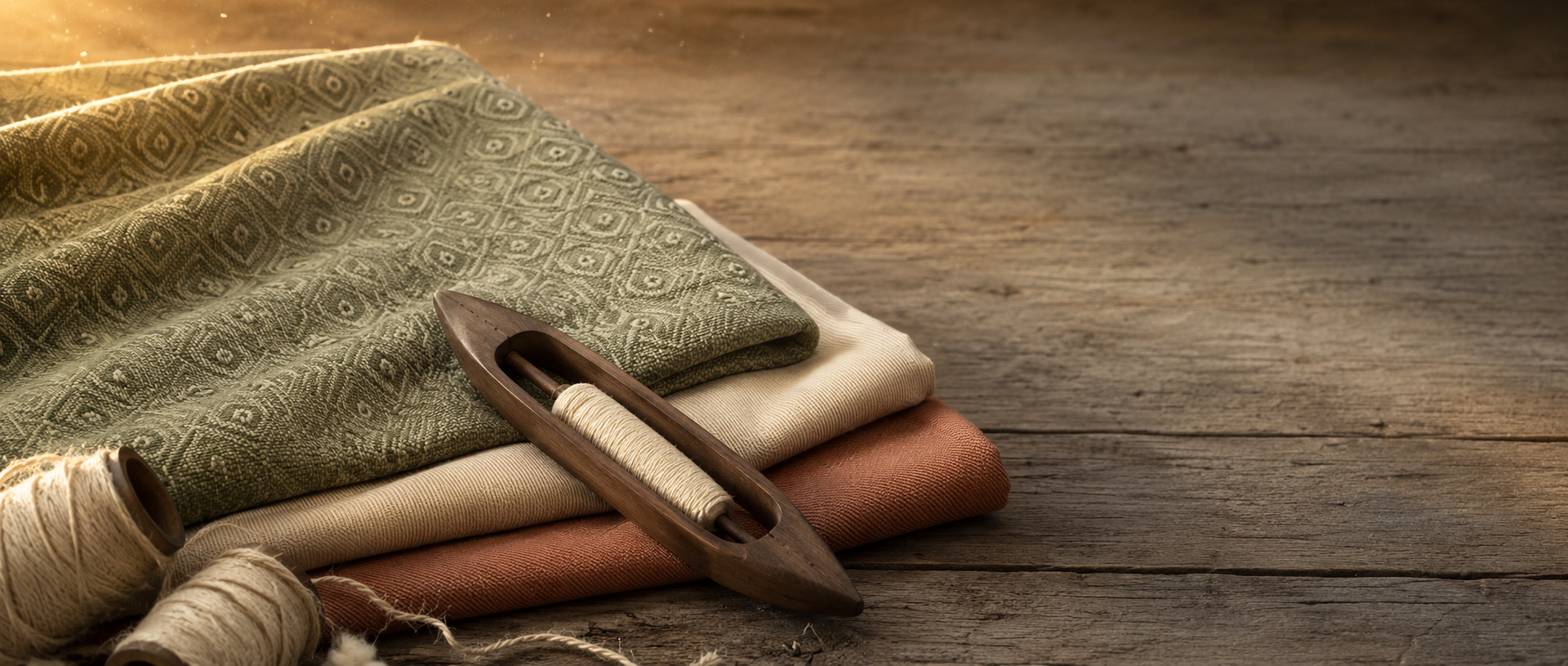
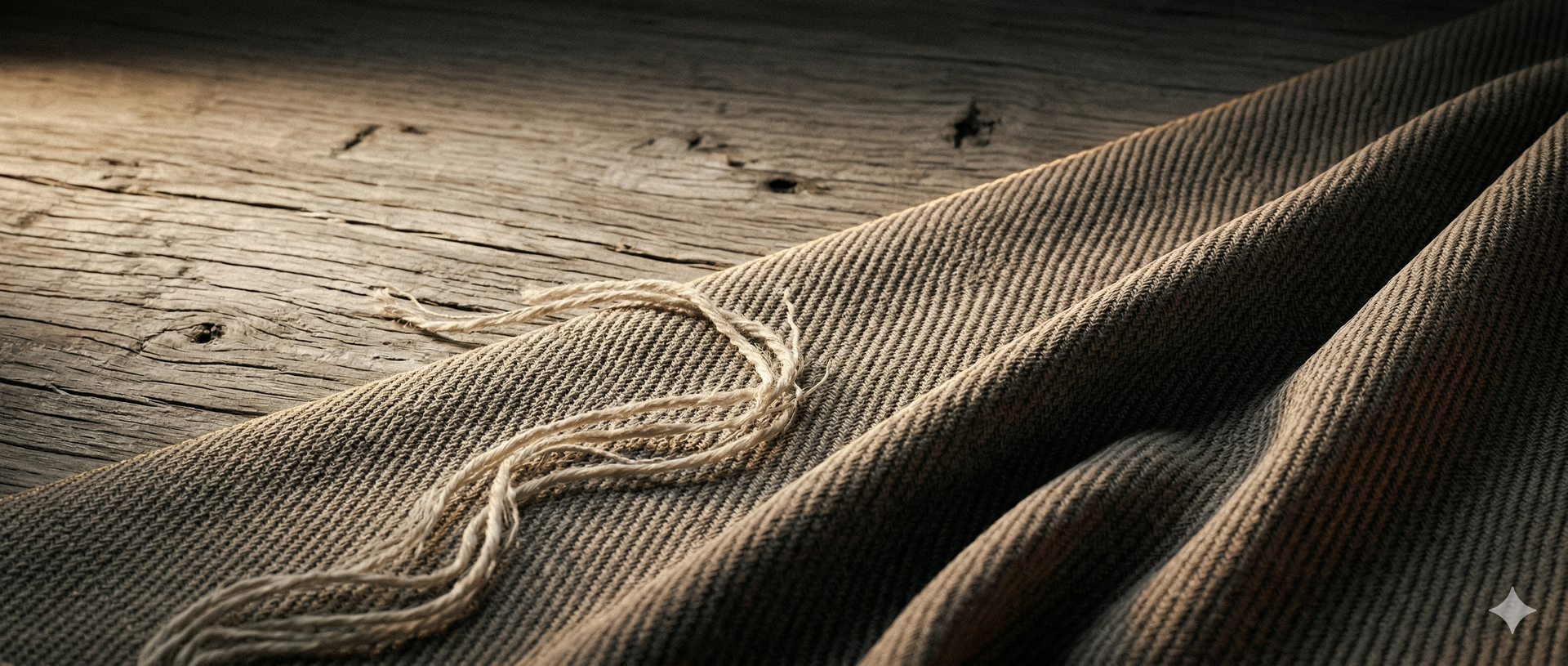
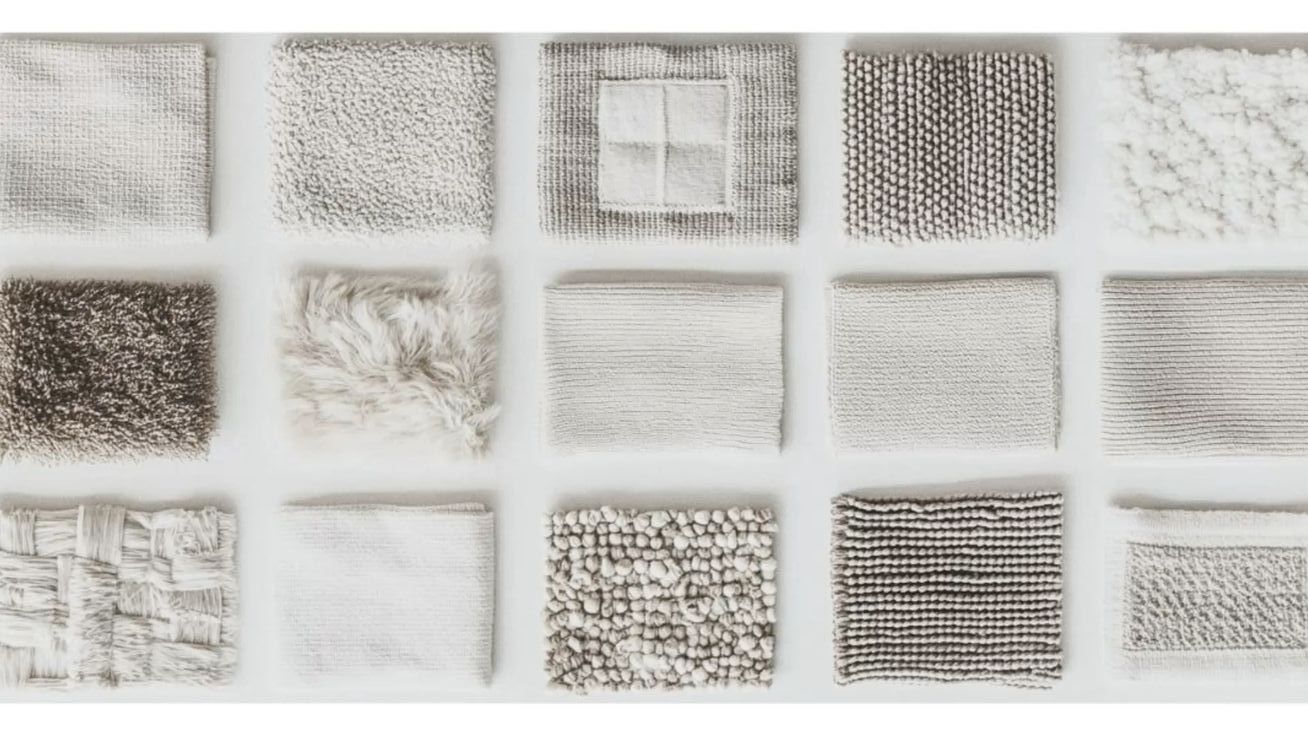
Dobby fabrics create dimensional texture through the weave structure itself. Small geometric patterns, raised surfaces, visual interest without prints. When you photograph a dobby shirt online, it looks distinct. A plain weave in the same color just looks flat.
But there's more happening here than just better product photos. Customers are moving away from loud logos and busy prints toward more subtle ways of expressing style. Textured fabric gives you that. It signals thoughtfulness and quality without being flashy. You can wear it anywhere.
The challenge for brands is that dobby fabrics are harder to sell purely online. They really need to be touched to be fully appreciated. The brands doing well with this are the ones using video to show how light plays across the fabric, and making physical samples easily available to customers before purchase.
Trend Insight:
In an increasingly digital retail world, texture has become one of the few ways to create visual differentiation that translates through a screen. Dobby fabrics photograph with depth that plain weaves simply can't match.
2. Performance Stretch Integration: Comfort Becomes Non-Negotiable
Five years ago, stretch fabrics were for gym clothes and leggings. Today we're getting stretch specifications for formal shirts, kurtas, casual trousers, and even light jackets.
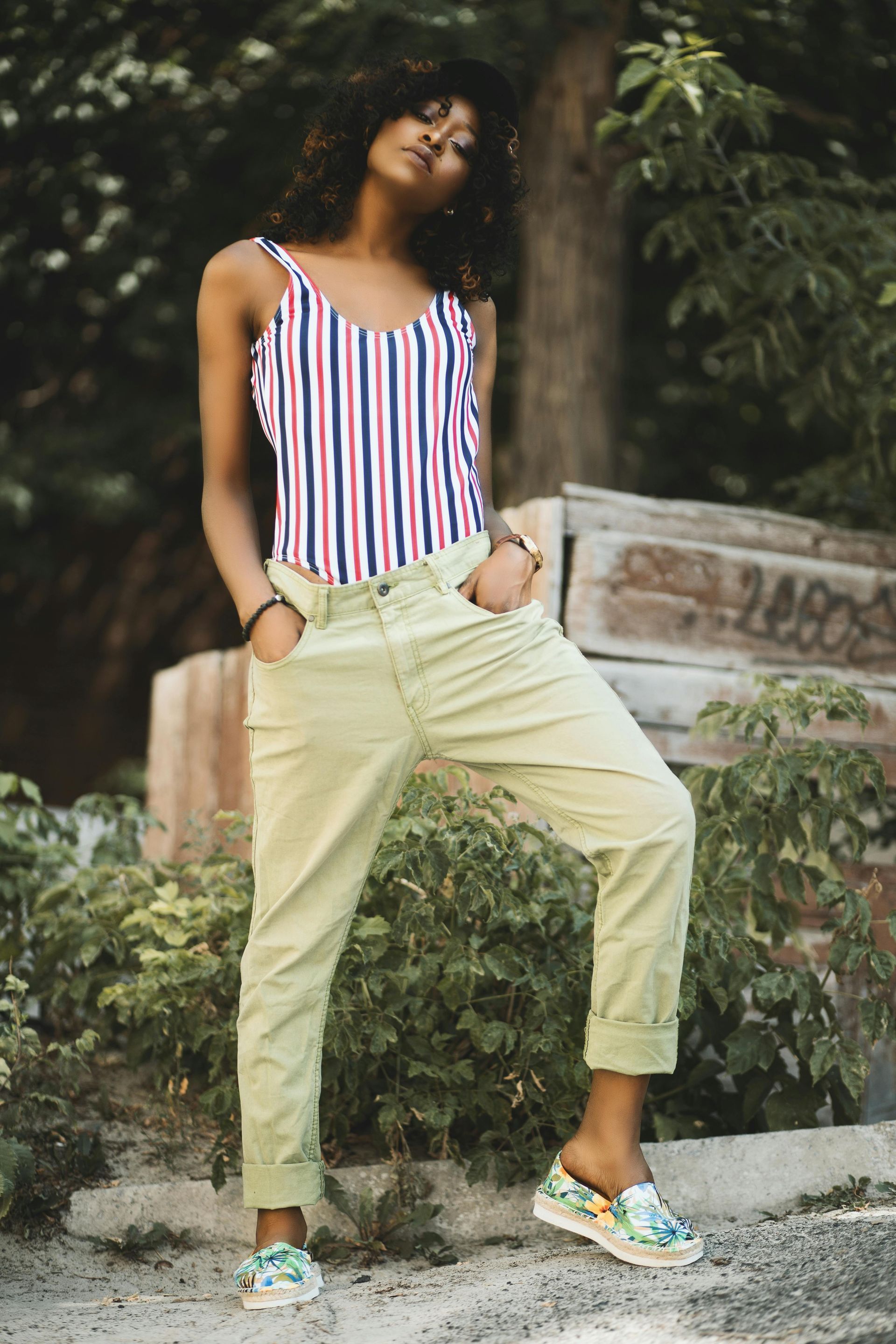
This shift reflects a permanent change in what people expect from clothing. Comfort isn't negotiable anymore, regardless of the garment category. A formal shirt needs to move with you through a twelve-hour workday. Trousers should transition from desk to dinner without restricting movement. Even traditional ethnic wear is being reimagined with stretch for all-day wearability.
The technical challenge here is significant. You can't just add spandex to any blend and expect good results. You need to manage elastic recovery so the fabric bounces back instead of going baggy. You need to control how it drapes. You need to ensure it doesn't shrink unpredictably after washing. And you need to maintain the right aesthetic. A cotton-spandex blend that works beautifully for casual shirting often fails completely in a structured formal context.
The brands succeeding with stretch fabrics are the ones who bring us into their development process early. The conversation needs to be about what specific performance and aesthetic outcome they need, not just whether we can add stretch. That requires prototyping, testing, and willingness to iterate. But it pays off. Performance-enhanced fabrics command premium pricing while reducing returns from fit or comfort complaints.
Trend Insight:
The expectation has shifted from "stretch fabrics for specific categories" to "all fabrics should have performance characteristics." Brands treating this as an afterthought rather than a core design consideration will struggle to compete.
3. Certified Sustainable Fibers: From Premium to Standard
This isn't a sudden spike. It's a steady, consistent increase we've been tracking for three years. Orders for TENCEL™, ECOVERO™, and organic cotton blends are up twenty to thirty percent year-over-year.
What makes this significant is the consistency. We're past the experimental phase. Sustainable fabrics are becoming baseline expectations rather than premium alternatives. This isn't just consumer pressure, though that certainly exists. It's corporate sustainability commitments, export requirements, and competitive positioning. Brands are discovering that sustainability credentials open doors to premium retail partnerships, international markets, and consumer segments willing to pay appropriately for responsibly produced garments.
The really interesting development is the democratization of sustainable textiles. Five years ago, eco-conscious fabrics were primarily used by premium fashion brands targeting affluent, sustainability-focused customers. Today, mid-market brands and even value-oriented retailers are incorporating sustainable fiber blends into their core offerings. This mainstreaming is making responsible textile production more economically viable at scale, which drives innovation and makes pricing more competitive.
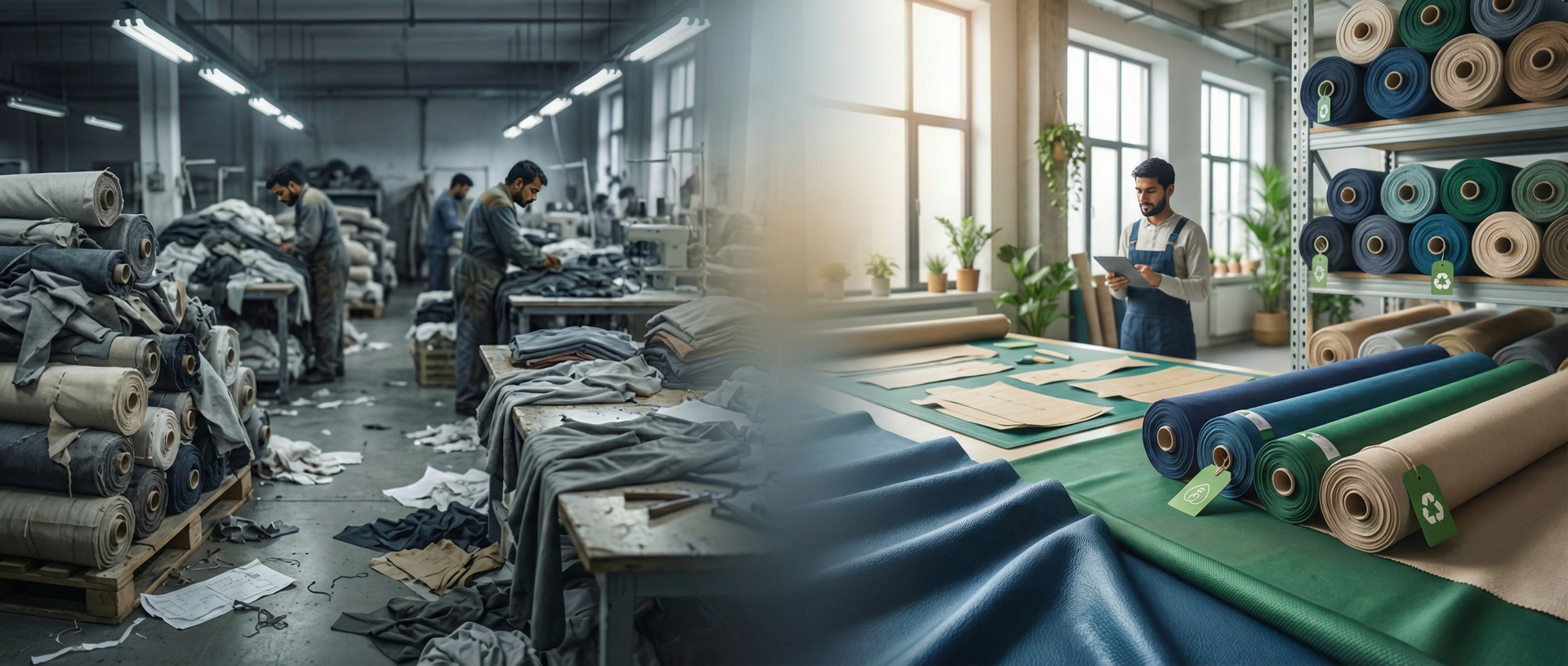
For manufacturers, this trend requires investment in certified supply chains, technical expertise in handling specialized fibers, and transparent documentation of sourcing and production processes. For retail brands, it requires authentic commitment rather than superficial marketing. Consumers and retail partners are becoming increasingly sophisticated at distinguishing genuine sustainability efforts from greenwashing.
Trend Insight:
Sustainable fiber sourcing is rapidly moving from differentiator to baseline requirement, particularly for brands with premium positioning or international expansion goals. Starting this transition now, thoughtfully, is smarter than rushing to catch up later under pressure.
4. Linen Blends: Natural Comfort for Climate Reality
After years of synthetic domination in casual wear, we're seeing renewed interest in linen and linen-blend fabrics. This isn't nostalgia driving the trend. It's a practical response to climate realities and changing lifestyle patterns.
India's summers are getting hotter and longer. More people are working from home or in hybrid arrangements, prioritizing comfort over formality. These conditions create the perfect environment for linen's natural advantages to shine. Exceptional breathability, moisture-wicking properties, and a distinctive relaxed aesthetic that signals effortless style rather than sloppiness.
The traditional challenge with pure linen has always been its tendency to wrinkle dramatically and sometimes rough hand feel. This is where innovation in linen blending becomes crucial. Contemporary linen-cotton blends and linen-TENCEL™ combinations maintain linen's breathability and natural texture while improving dimensional stability and softness. These blends photograph beautifully, wear comfortably, and require less intensive care than pure linen.
For Spring/Summer 2026, we're seeing brands specify linen blends not just for obvious applications like casual shirting and resort wear, but for contemporary kurtas, relaxed tailoring, and even elevated everyday basics. The fabric is being repositioned from vacation staple to year-round luxury for warm climates.
Trend Insight:
Linen's resurgence isn't about fashion nostalgia. It's about fabrics that actually keep people comfortable in increasingly hot summers while maintaining the relaxed aesthetic that hybrid work culture has normalized.
What These Trends Tell Us About Spring/Summer 2026
The fabric trends shaping Spring/Summer 2026 aren't random. They reflect deeper shifts in how people want to dress and what they expect from their clothing.
Structured dobbies answer the need for visual interest in digital retail environments. Stretch integration responds to permanent changes in comfort expectations. Sustainable fiber adoption reflects values-driven purchasing decisions. Linen blends address climate realities and lifestyle changes. Understanding these underlying drivers helps you apply trends intelligently rather than just chasing them.
For brands planning collections now, the message is clear. Start with fabric innovation, not as an afterthought. Make performance characteristics standard across your offerings. Build sustainability credentials into your core assortment. And remember that the fabrics people want are ultimately about how clothing makes them feel.
If you're developing your Spring/Summer 2026 collection and want to explore fabric options that genuinely differentiate your line, let's talk. We work with retail brands and garment manufacturers on custom fabric development that aligns with both market trends and your specific collection vision.