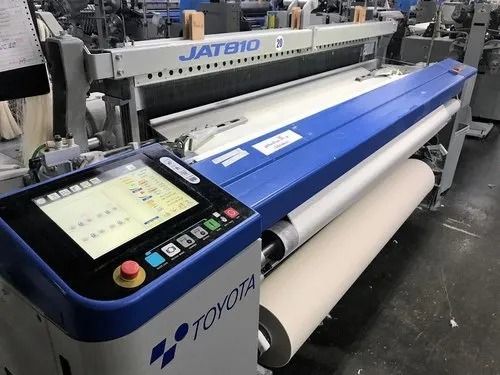
India’s textile industry is entering a decisive phase. Over the next five years, manufacturers will face a mix of structural shifts, global pressures, and technological disruption. Those who adapt early will lead; those who don’t may struggle to stay relevant.
1. Sustainability Will Become Non-Negotiable
Sustainability is no longer a differentiator, it’s a requirement. Global buyers are demanding:
- Traceable supply chains
- Reduced water usage
- Eco-friendly processing
- Regulatory pressure from export markets will only increase.
What to focus on: Cleaner production, certifications, and measurable ESG performance.
2. Digital Transformation Will Define Competitiveness
Technology adoption will separate leaders from laggards. Key shifts include:
- Smart factories (IoT-enabled machines)
- AI-based planning and forecasting
- Digital sampling and printing
- Challenge: High upfront costs and workforce upskilling.
Reality: Delaying this transition will be more expensive than investing in it.
3. Raw Material Volatility Will Increase Risk
Cotton price swings, climate disruptions, and synthetic fiber dependency will create instability. Impact:
- Margin pressure
- Planning uncertainty
- Supply chain disruptions
What to watch: Diversification into alternative and recycled fibers.
4. Global Competition Will Intensify
Countries like Bangladesh and Vietnam are becoming more competitive due to policy support and trade advantages. India’s challenge:
- Speed
- Consistency
- Compliance.
Way forward: Move beyond commodity products into specialized, value-added textiles.
5. Labor and Skill Gaps Will Widen
The industry faces a dual problem:
- Declining interest in traditional factory jobs
- Lack of skilled workers for advanced machinery
Key shift: Gradual move toward automation while investing in workforce training.
6. Demand for Speed and Flexibility Will Rise
Buyers now expect:
- Smaller order quantities
- Faster turnaround times
- Greater customization
Risk: Traditional bulk production models may become less relevant.
Opportunity: Flexible and agile manufacturing systems.
7. ESG Compliance Will Impact Market Access
Environmental and social compliance will directly influence:
- Export opportunities
- Buyer relationships
- Access to financing
Bottom line: Non-compliance won’t just hurt reputation; it will also hurt business.
8. Technical Textiles Will Drive Future Growth
Technical textiles (medical, automotive, industrial use) offer:
- Higher margins
- Lower competition
- Strong government support
Strategic move: Diversifying into this segment can future-proof your business.
Conclusion: The Shift from Scale to Strategy
The next five years will reward manufacturers who think beyond volume and price. The winning formula will combine:
Sustainability
Technology
Agility
Value addition
The Indian textile industry has the foundation to lead globally, but only if manufacturers evolve with the changing landscape.