Following up on Ichalkaranji's vision: why owning more of the chain, from greige metre to finished garment, decides how fast we deliver and how little we waste.
Last year, writing about Ichalkaranji, we ended on former Textile Minister Prakash Awade's vision to
complete the fabric-to-garment value chain in our cluster. It is an easy line to write and a hard thing to build. A year on, the question on every serious mill's floor has shifted from "how much can we weave?" to "how much of the chain can we own?" The answer decides the two numbers buyers care about most: speed and waste.
What the chain looks like
The Government's PM MITRA scheme describes it in five words:
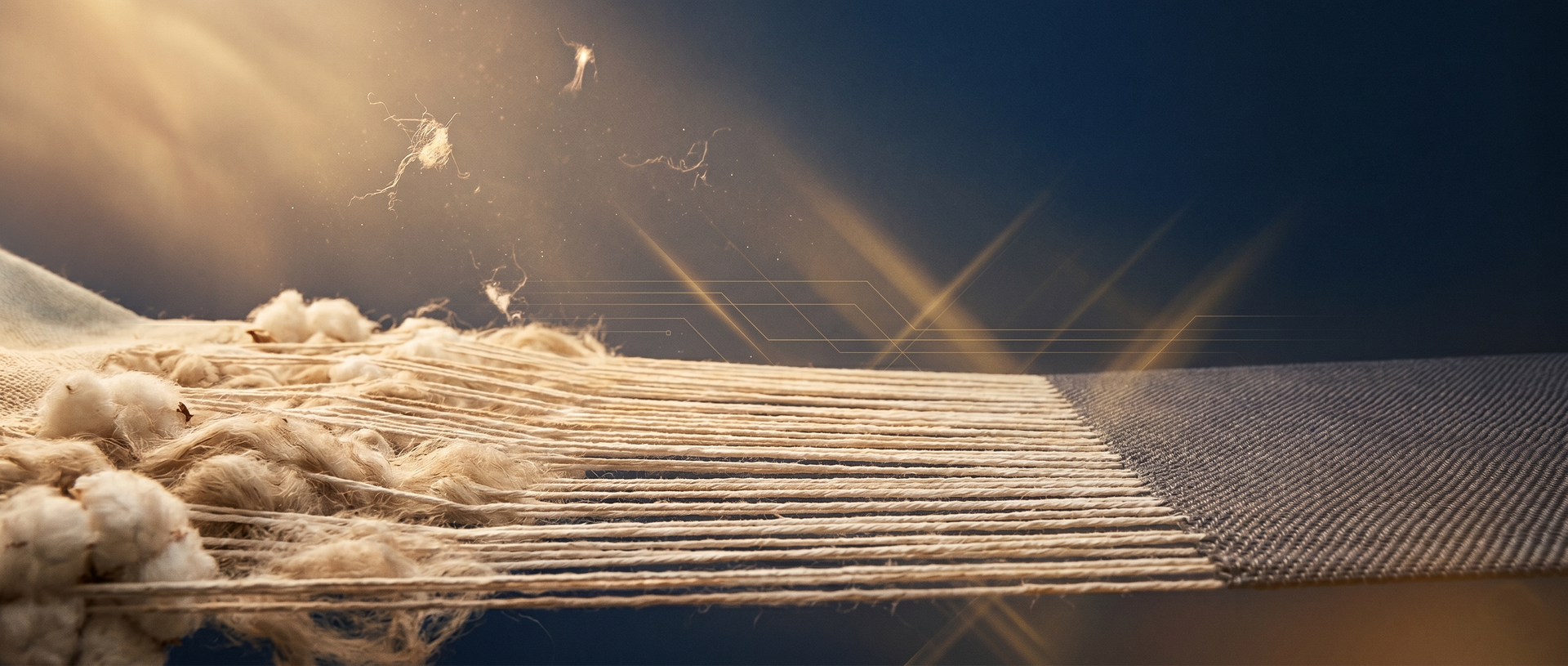
Farm to Fibre to Factory to Fashion to Foreign. On the ground, a shirt runs a relay race. Cotton becomes fibre, fibre is spun into yarn, yarn is
sized, sized yarn is
woven into greige, greige is
processed, and only then is finished fabric
cut and sewn. Each handoff adds value. It is also a chance to lose time, lose metres, and lose the thread of what the buyer actually asked for.
Ichalkaranji has long owned one link brilliantly. We are India's largest cotton greige hub, producing around
4,296 million metres a year, with sizing expertise spanning counts from 6s to 120s. But for decades the greige metre left town to be processed in Mumbai or Delhi and stitched somewhere else again. We sold the first link and watched the rest of the value walk out the door.
The cost of a broken chain
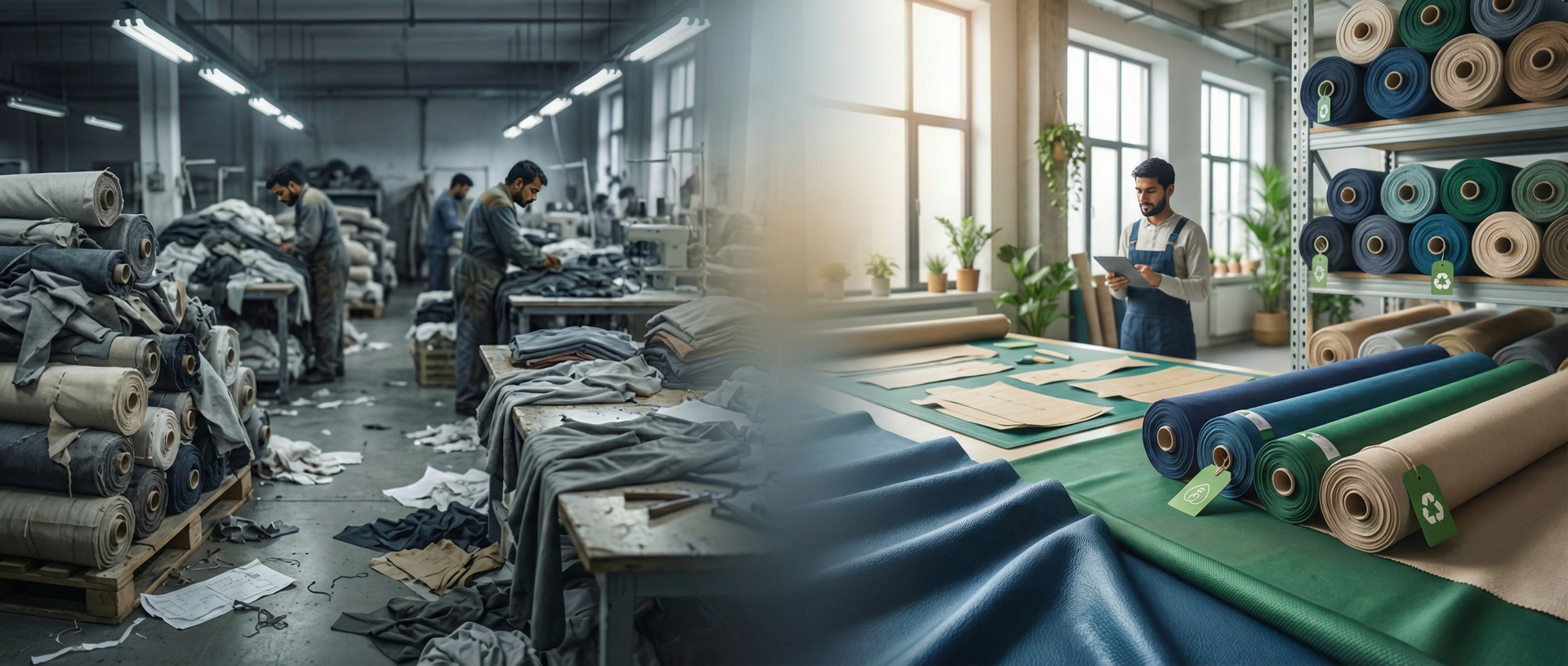
When steps sit in different cities, the losses are quiet but real. Time leaks at every handoff, because freight, queues and inspections can add two to four weeks before a single garment is sewn. Metres are lost to double handling, through soiling, crease damage and shade variation, and when a fault surfaces only at the garment stage, the cost is cut panels and a missed delivery, not a few metres. Information thins out too. A note about shrinkage or shade depth travels back through a processor and a trader, and often arrives after the next lot is already woven.
How integration helps
Move the links closer, within one cluster and under fewer roofs, and the relay becomes a short pass. Proximity removes the transit weeks and compresses development cycles, which is exactly what today's designer-led and direct-to-consumer brands need, working in tighter MOQs and faster turns. It also cuts waste. Faults are caught at the metre stage rather than the garment stage. A buyer asking for
shrinkage under 3% can have it built in at sizing and finishing. Effluent and energy are handled once in shared facilities instead of being duplicated.
Ichalkaranji is already closing the loop, with a working apparel cluster of around 200 machines, greige names building their own garment units and labels, and a shared testing lab on the way. The greige hub is becoming a value-added powerhouse, one link at a time.
Where we fit
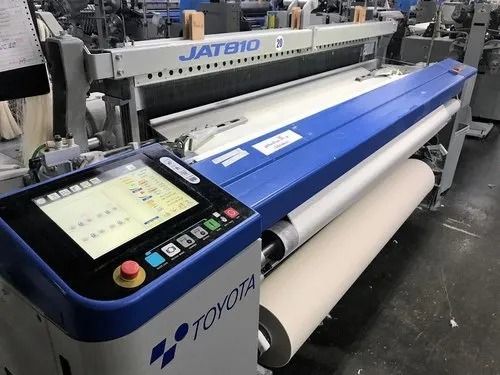
We are a modern woven manufacturer running airjet and rapier looms, with deep sizing and weaving roots. Integration, for us, means our metre travels less and arrives more finished. That is backed by reliable shrinkage control and by fibre partnerships with Lenzing for Tencel, Grasim for Birla Excel and Ecovera, our Better Cotton membership and ISO 9001:2015 certification, all of which let brands carry a credible "responsible India" story.
If you are building a collection that needs a woven partner close to the whole chain, with modern looms, dependable finishing, sustainable fibres and the speed to keep up, talk to our team. We would like to weave it with you.